MS’s Windows Insider Anniversary Wallpapers Were Created on a Mac

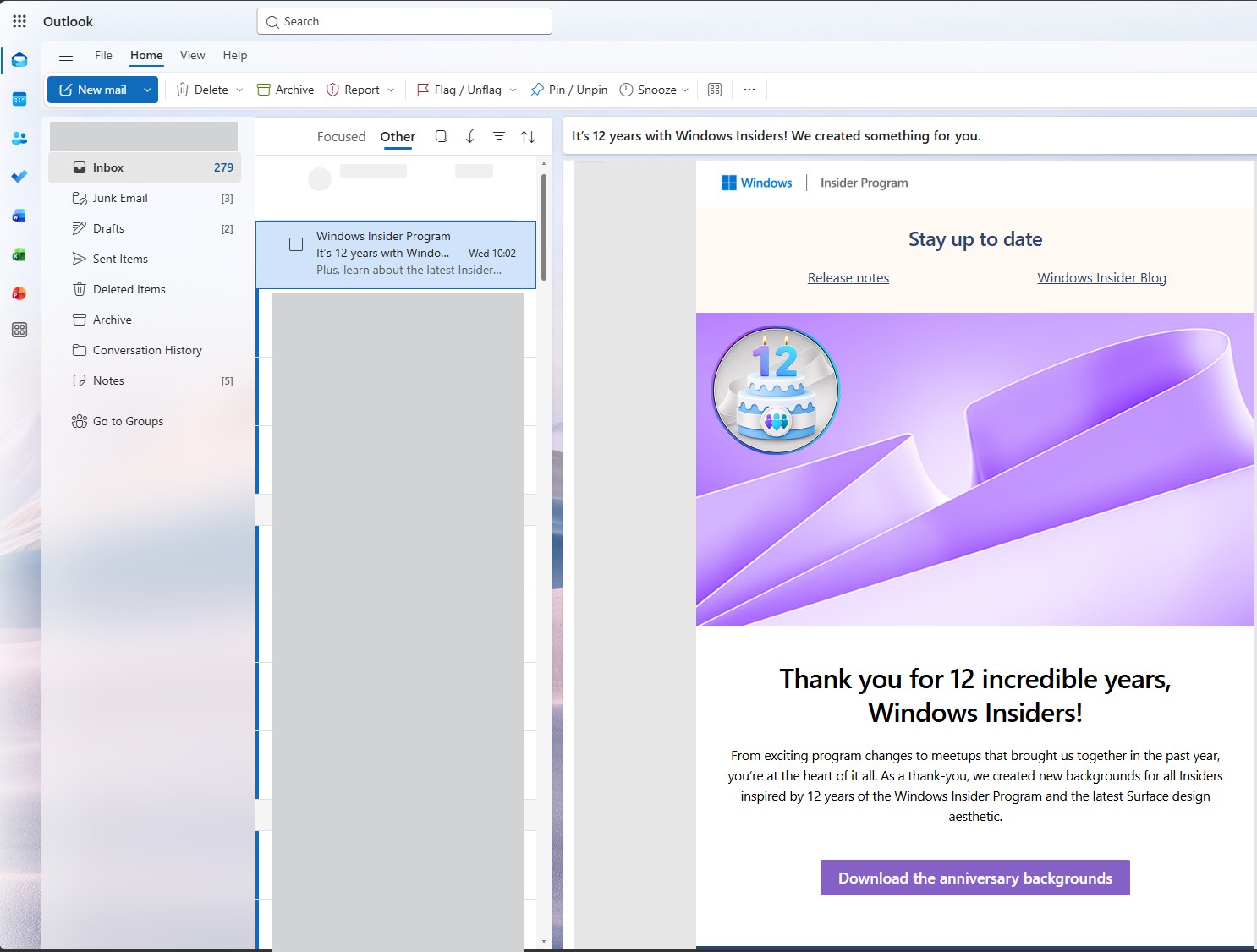
File properties for MS’s new wallpapers celebrating 12 years of the Windows Insider Program originally listed “Adobe Photoshop 27.10 (Macintosh)”. The designs were inspired by the latest Surface aesthetic, while the previous year’s wallpaper archive also contained a macOS-generated folder.
The discovery is particularly ironic given MS’s extensive campaign encouraging Windows 10 users to purchase new Windows 11 PCs. One promotional video accumulated more than 674 million views—nearly 50 times as many as any other video on the Windows YouTube channel—yet some teams within MS apparently continue to prefer other platforms.
Recent reports have also suggested that Xbox did not initially want Windows on its next handheld device. Now, a thank-you gift for some of MS’s most dedicated Windows testers appears to have been produced on a Mac.
The Complete 12th Anniversary Wallpaper Collection
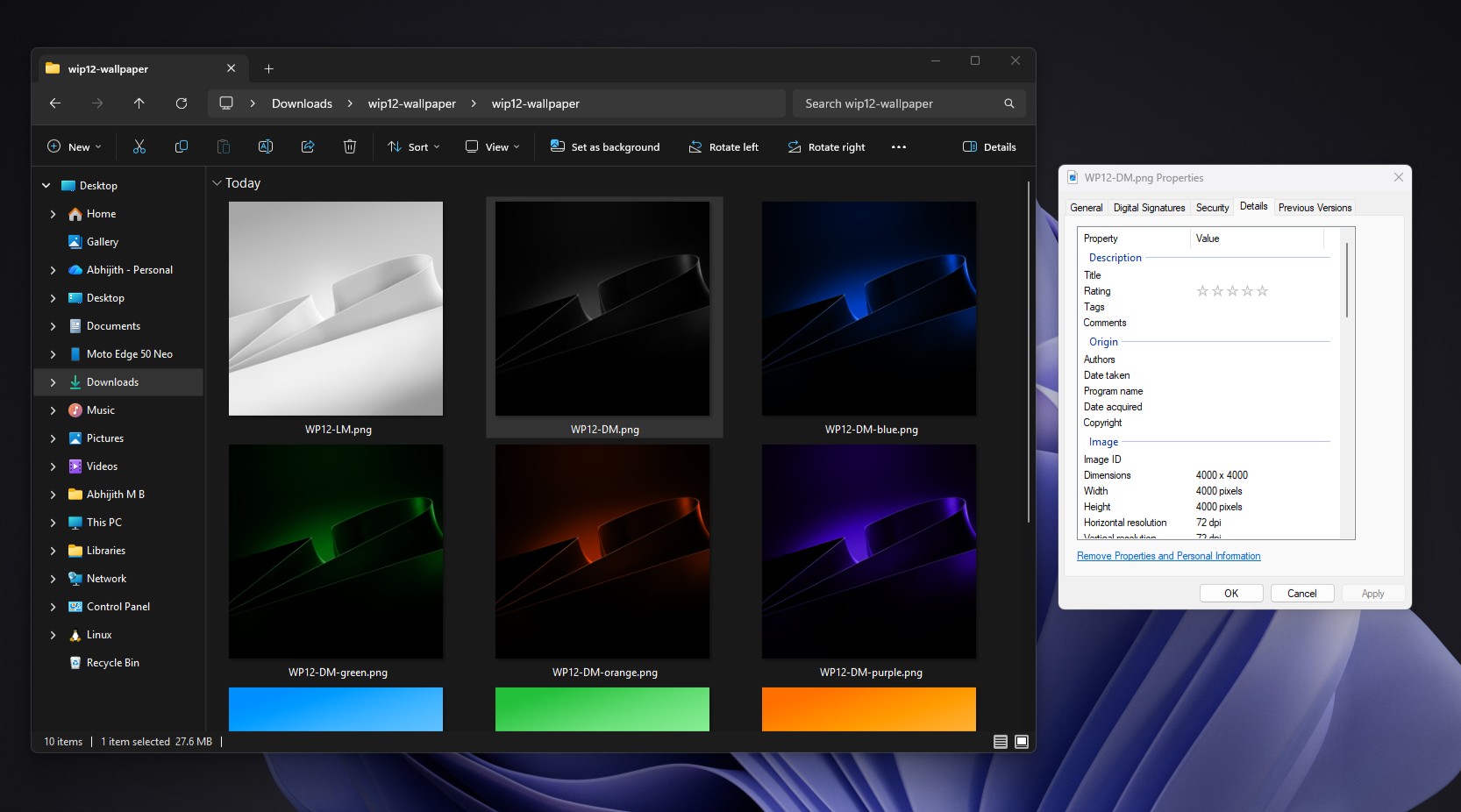
MS released 10 square wallpapers at 4000 × 4000 resolution, featuring Bloom-inspired ribbons in five colors, with light and dark variations.









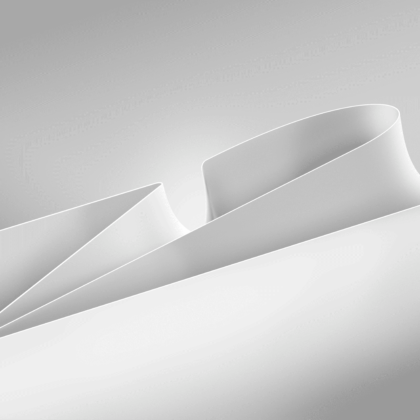
File Metadata Identified Photoshop for Mac
In an email sent on Wednesday, October 21, the Windows Insider Program described the collection as a thank-you to Insiders, with backgrounds inspired by both the program’s 12-year history and the latest Surface design aesthetic. The downloadable ZIP archive included 10 PNG files, each measuring 4000 × 4000 pixels.
ViVeTool co-developer and reverse engineer Rafael Rivera highlighted the Mac-related metadata on October 15. A screenshot of the Details tab for WP12-DM.png showed “Adobe Photoshop 27.10 (Macintosh)” as the program name and October 1, 2026, as the date taken.
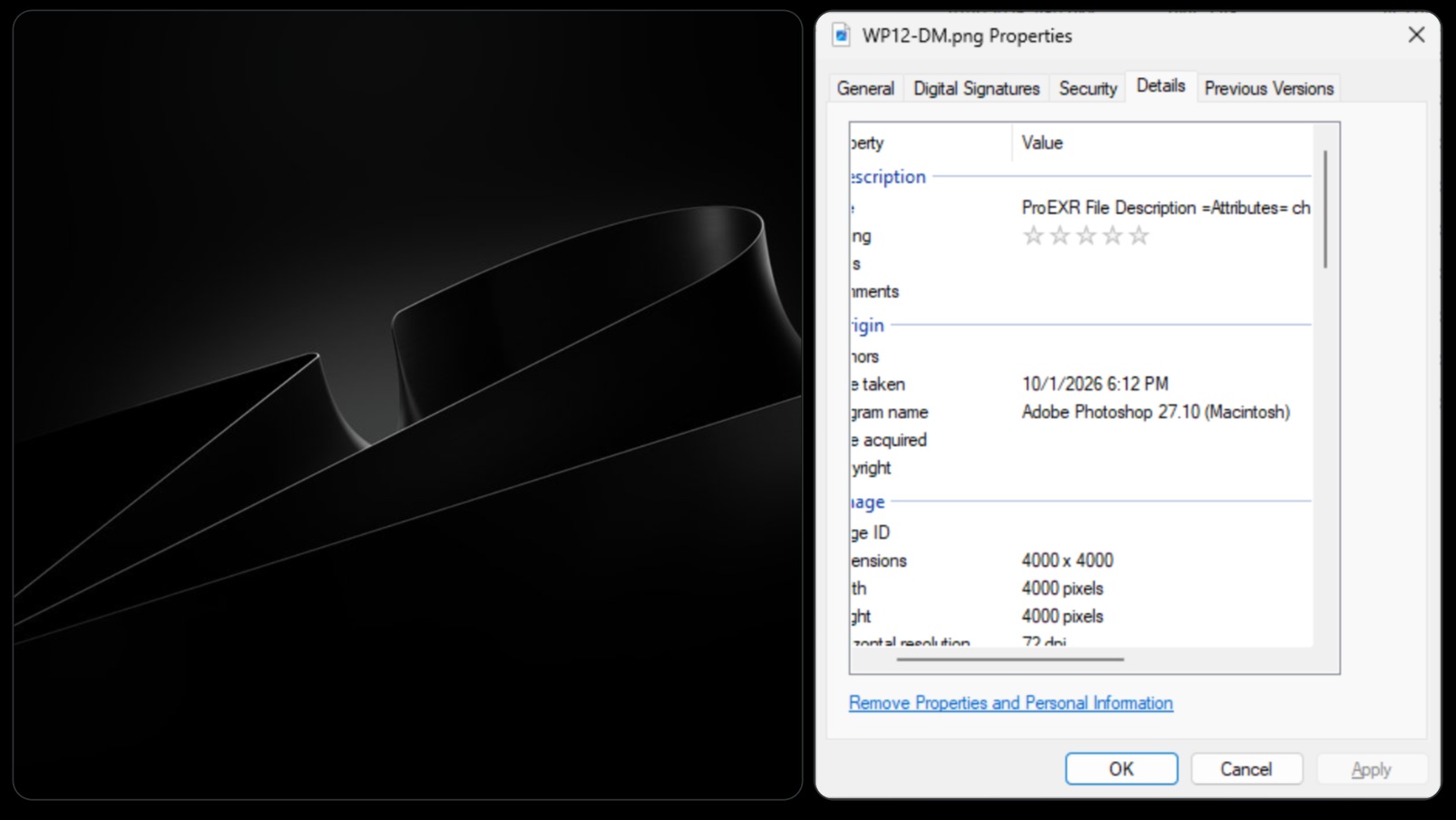
The Title field also began with “ProEXR File Description.” ProEXR is a free Photoshop and After Effects plugin designed for multilayer OpenEXR files, a format commonly used by 3D applications for render passes. This suggests the ribbon artwork may have been rendered in a 3D application before being finished in Photoshop on a Mac.
The wallpapers were produced by MS’s internal design team.
The Mac-Related Metadata Was Later Removed
A subsequently downloaded version of the ZIP no longer displayed the Title, Date taken, or Program name fields for WP12-DM.png on a Windows PC. A reply discussing the discovery claimed that the files had been updated, although MS did not publicly explain the change.
A similar incident occurred with the Windows Insider Program’s 11th anniversary collection. That ZIP archive included a __MACOSX folder, which macOS typically creates when compressing files, indicating that the package had been assembled on a Mac.
The use of a Mac does not appear to be tied to software availability. Photoshop runs on Windows 11, including Arm-based computers such as the Surface Laptop Ultra, which MS positioned as a MacBook Pro competitor for creators. The Surface Pro also supports pen input, raising the question of whether the decision reflects a device preference or an operating-system preference.
Responses on X were divided. Some users argued that Macs and Windows PCs serve different purposes, while another comment joked that the choice might explain perceived inconsistencies in Windows 11.
MS Employees Have Long Used Apple Devices
MS employees using Apple hardware is not a new phenomenon. At a company meeting in 2009, Steve Ballmer pretended to stomp on a Windows team member’s iPhone. Months later, The Wall Street Journal reported that approximately one in 10 MS employees used iPhones, sometimes concealing them from executives.

In 2015, MS designer Andrew Kim told Core77 that he used a Surface Pro 3 for rendering in KeyShot and SolidWorks, but relied on a 15-inch MacBook Pro for most Adobe applications, including Illustrator and InDesign.
More recently, MS Vice President of Product Design Diego Baca said designers were using AI to contribute code fixes to Windows 11. The contrast is difficult to ignore: AI is being used to help code Windows, while a Mac was apparently used to create its anniversary wallpapers.
Windows Insiders Deserve a More Meaningful Gift
The issue is not that MS should prohibit Macs in its offices. However, Windows Insiders are among the platform’s most committed users. They tolerate unstable builds, maintain numerous virtual machines for testing, submit extensive feedback, and identify hidden feature IDs through tools such as ViVeTool. A commemorative gift created on a Windows PC would therefore have carried greater symbolic value.
The wallpapers themselves are visually unremarkable and may not persuade many users to replace their existing desktop backgrounds. A more compelling story behind their creation could have made the collection more meaningful, especially after a productive year for Windows 11 that introduced numerous features, with additional updates still planned.
For example, MS could have shown an artist sketching the ribbons with a Slim Pen on a Surface Pro before completing the designs in Photoshop on Windows 11. Even users who were not immediately impressed by the artwork might have appreciated the process and the connection to MS’s own hardware and software.
Apple frequently builds this kind of narrative around its products. Its 2023 “Scary Fast” event was filmed using an iPhone 15 Pro Max, edited on a Mac, and accompanied by a behind-the-scenes account of the production.
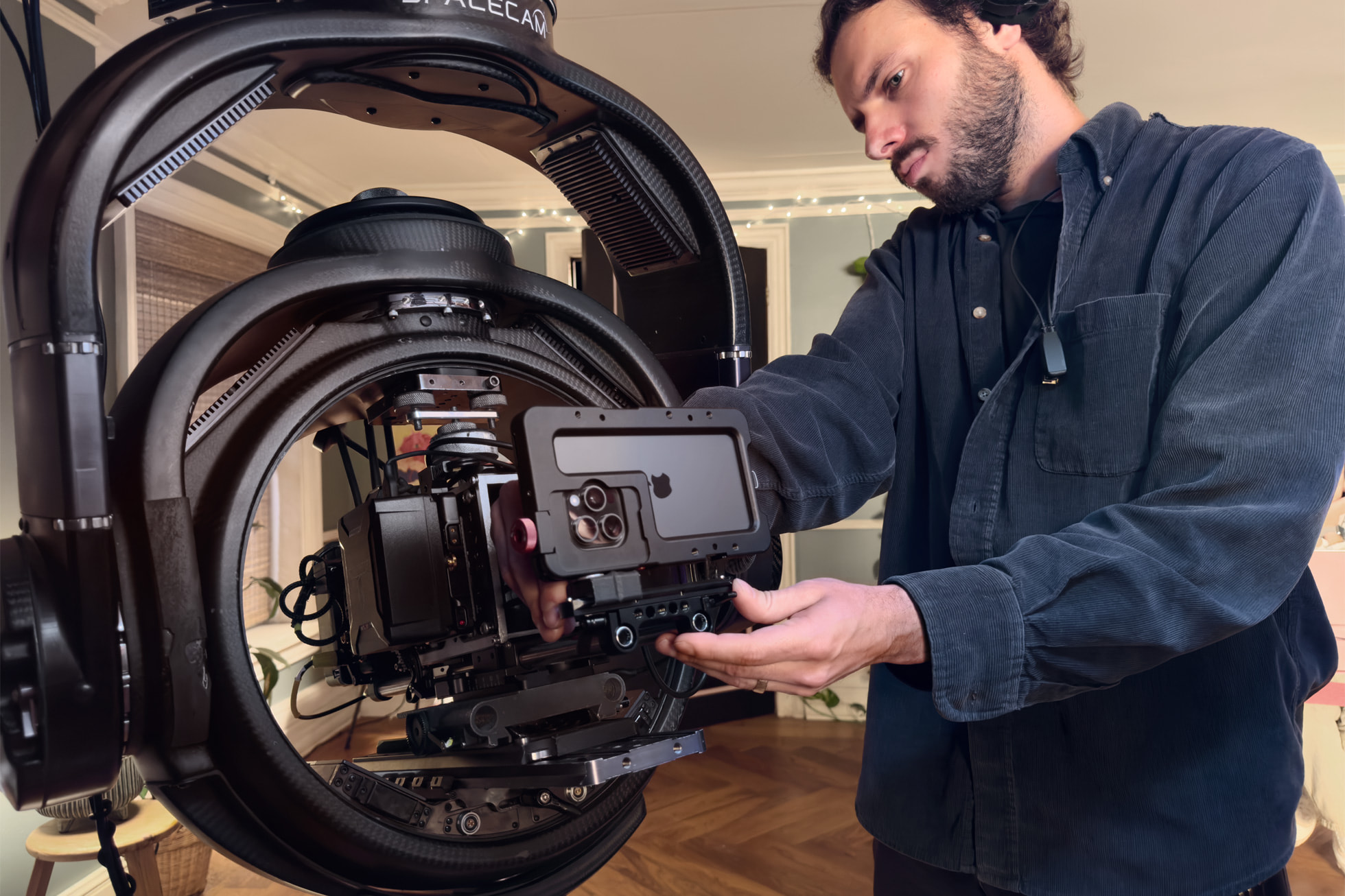
Apple also makes its ecosystem essential for certain development tasks. Anyone building an iPhone application must use Xcode, which runs only on macOS, effectively requiring access to a Mac.
Steve Jobs once claimed that MS had “absolutely no taste.” Apple has made its own questionable design decisions since then, but it continues to inspire intense customer loyalty. MS, by contrast, often attracts vocal criticism, and a Windows wallpaper created on a Mac provides critics with additional material.
MS has a strong history of memorable wallpapers. Windows XP’s Bliss remains iconic, while the location featured in Windows 10’s default lock-screen image has become a popular tourist destination. Even an operating system that has reached the end of its life can retain a recognizable and authentic visual identity.
If MS’s designers created more of their work on Windows PCs, they might be better positioned to produce experiences they would personally want to use every day. When MS’s own design teams appear unconvinced by Surface hardware or Windows 11, persuading customers to choose a Windows PC becomes more difficult.