Discord’s New Game Mode Reduces CPU and GPU Usage, but Its Electron RAM Problem Remains
Discord is developing a new Game Mode that automatically reduces animations and visual effects when it detects a running game. The goal is to lower Discord’s CPU and GPU consumption so that more system resources remain available for gaming.
However, the feature does not appear to address RAM usage.

Discord’s Windows client is built with Electron, which combines the visible chat application with a Chromium-based runtime. This architecture can consume substantial amounts of memory, and Discord has acknowledged that the app’s RAM usage can exceed 4GB.
The effort to make Discord lighter comes as memory has become one of the more expensive components in a PC, making application efficiency increasingly important to gamers.
Discord Wants to Preserve Gaming Resources
Discord Previews, a community account known for examining unreleased app features, identified the upcoming Game Mode. Discord has not yet officially announced the feature.
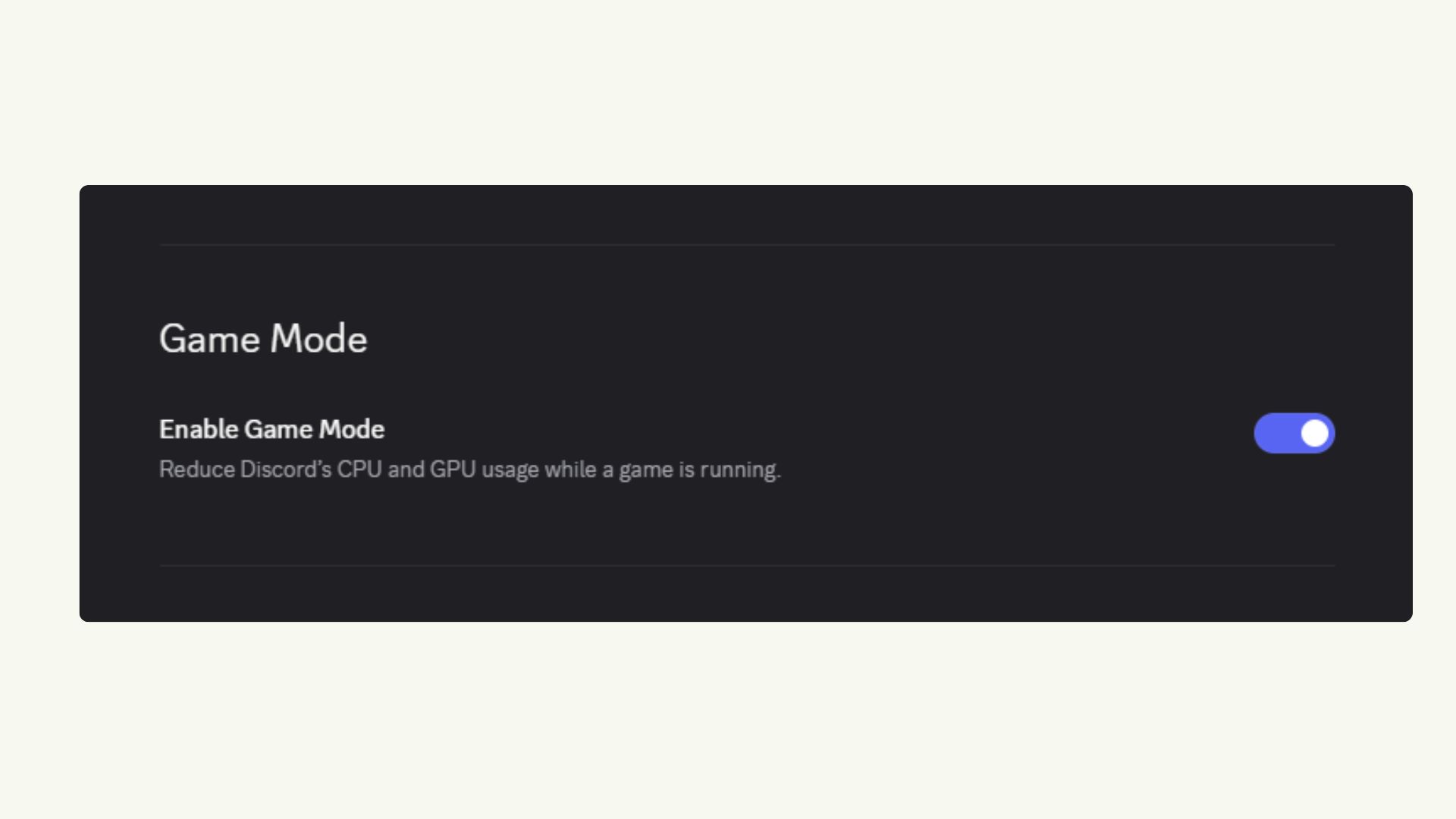
The feature includes an “Enable Game Mode” toggle described as a way to reduce Discord’s CPU and GPU usage while a game is running. When enabled, Discord detects active games, scales back animations, and disables certain effects, creating additional CPU and GPU headroom.
Despite these improvements, the Game Mode description makes no reference to reducing memory consumption.
Discord’s September 2026 update stated that an upgrade to Electron 42 reduced median CPU usage by approximately 17%, although median memory usage increased by about 4%. A separate rendering improvement lowered median CPU usage by another 3%. Discord summarized the changes as providing more resources for gaming.
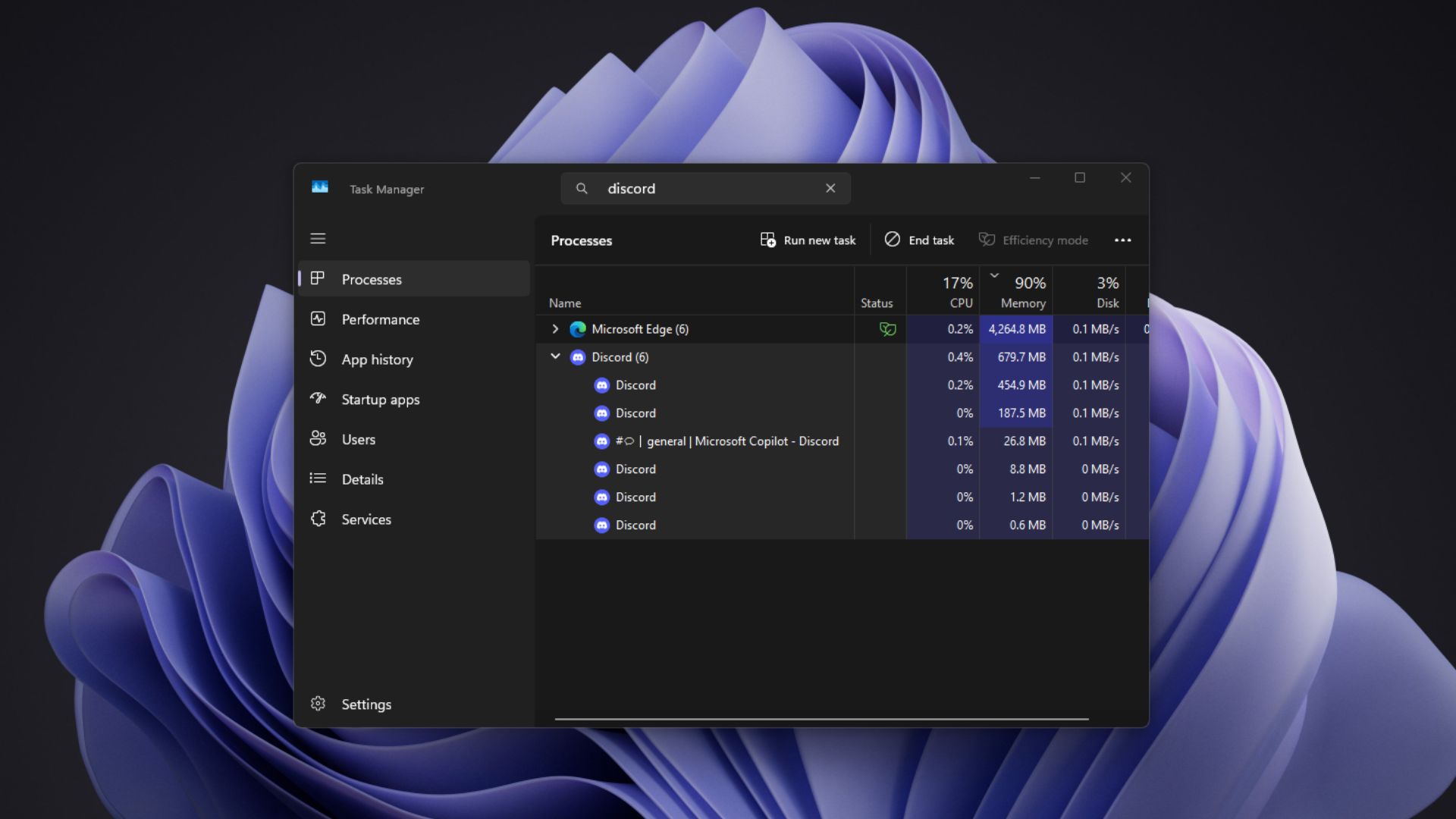
CPU and GPU capacity are important during gaming, but RAM is similarly valuable in 2026. Rising memory prices have brought the resource demands of popular Windows 11 applications under greater scrutiny. MS removed its 32GB RAM recommendation, while memory shortages have encouraged PC manufacturers to reintroduce Windows 11 systems with 8GB of RAM.
Electron Remains Discord’s Main Memory Challenge
Discord describes Electron as a web wrapper that runs the application in a browser-like environment. Electron uses Chromium’s multi-process architecture, with a main process managing the application and separate renderer processes displaying web content in individual windows.
Not every Electron application consumes excessive memory. Usage depends on the number of processes created, the resources kept loaded, and how effectively the application manages them.
Discord has nevertheless acknowledged its own memory-management difficulties. In December 2025, an employee confirmed that the company was testing an automatic restart mechanism for situations in which RAM usage exceeds 4GB. The employee noted that normal usage should remain below 1GB and described the restart feature as temporary relief. Discord also said it had resolved more than nine memory-related issues and reduced p95 memory usage by approximately 5%.
Users have continued to request more substantial RAM improvements. In responses to the Game Mode discovery, one user said Discord should prioritize lowering memory usage rather than CPU and GPU consumption. Another criticized the application for functioning like an unnecessarily elaborate Chrome page.
These comments reflect individual complaints, and many users may see Discord consuming well below 1GB of RAM.
Discord is not the only Windows application relying on browser-based technology. MS Teams uses WebView2, while WhatsApp replaced its native application with a web wrapper. The Windows 11 Weather app has also been reported to use five times as much RAM as the macOS Weather app. MS’s WebView2 documentation confirms that applications using the platform can operate separate browser, renderer, and GPU processes.

During a typical day, users may therefore have three browser runtimes operating in the background before launching a game. That burden can be particularly significant on PCs equipped with only 8GB or 16GB of memory.
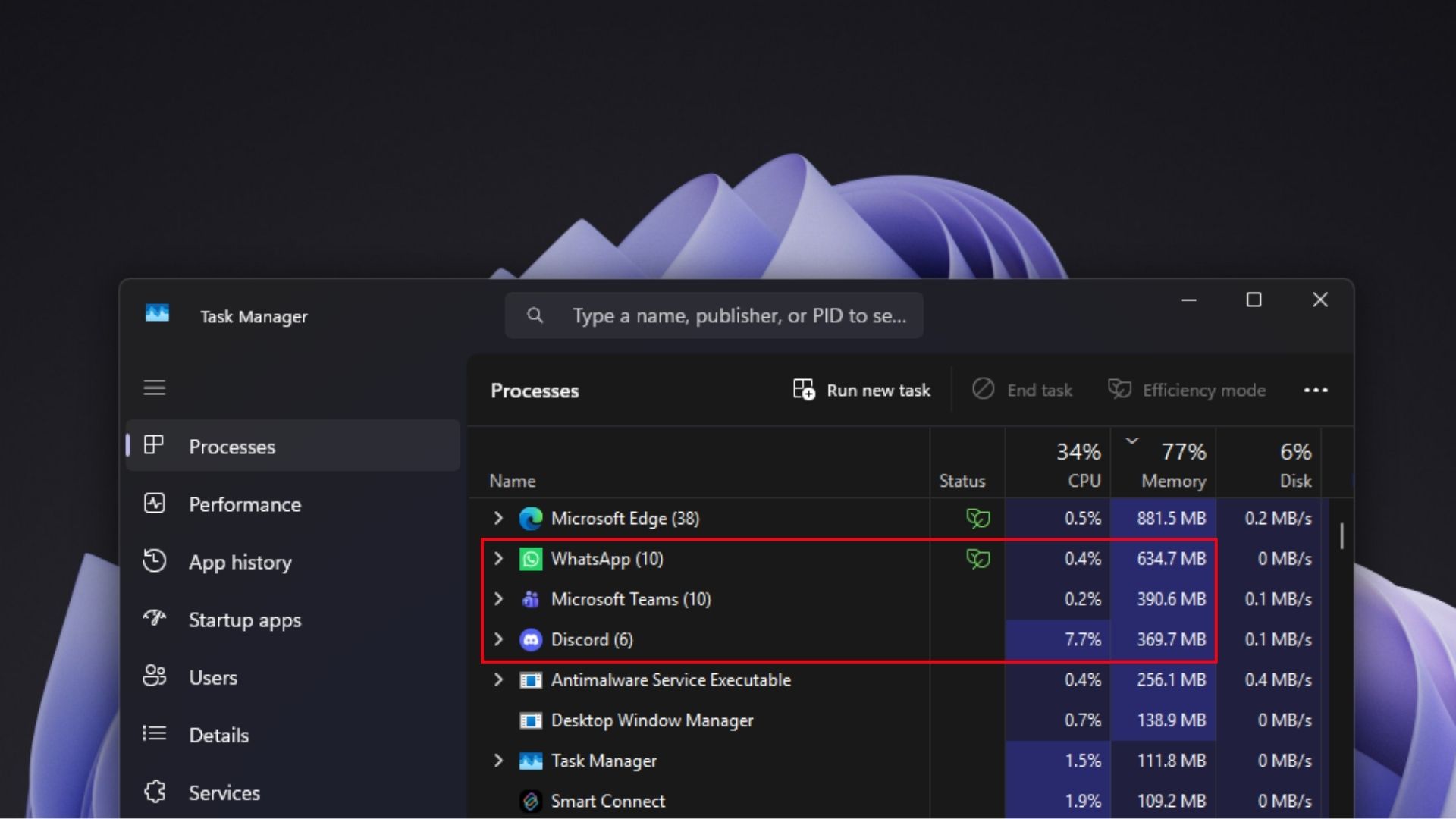
Game Mode may reduce CPU and GPU activity, but it cannot eliminate Chromium processes or substantially reduce Discord’s underlying Electron footprint. As a result, the application’s larger memory issue remains unresolved.
Improving WinUI 3 Gives Discord an Opportunity to Reconsider Its Windows App
MS recommends WinUI with the Windows App SDK for new native desktop applications, and WinUI is now open source.
Developers previously had reasonable grounds for avoiding the platform. For years, WinUI lacked basic controls and capabilities, pushing even MS toward WebView2. JavaScript creator Brendan Eich also warned against prioritizing hastily developed web experiences over native applications.
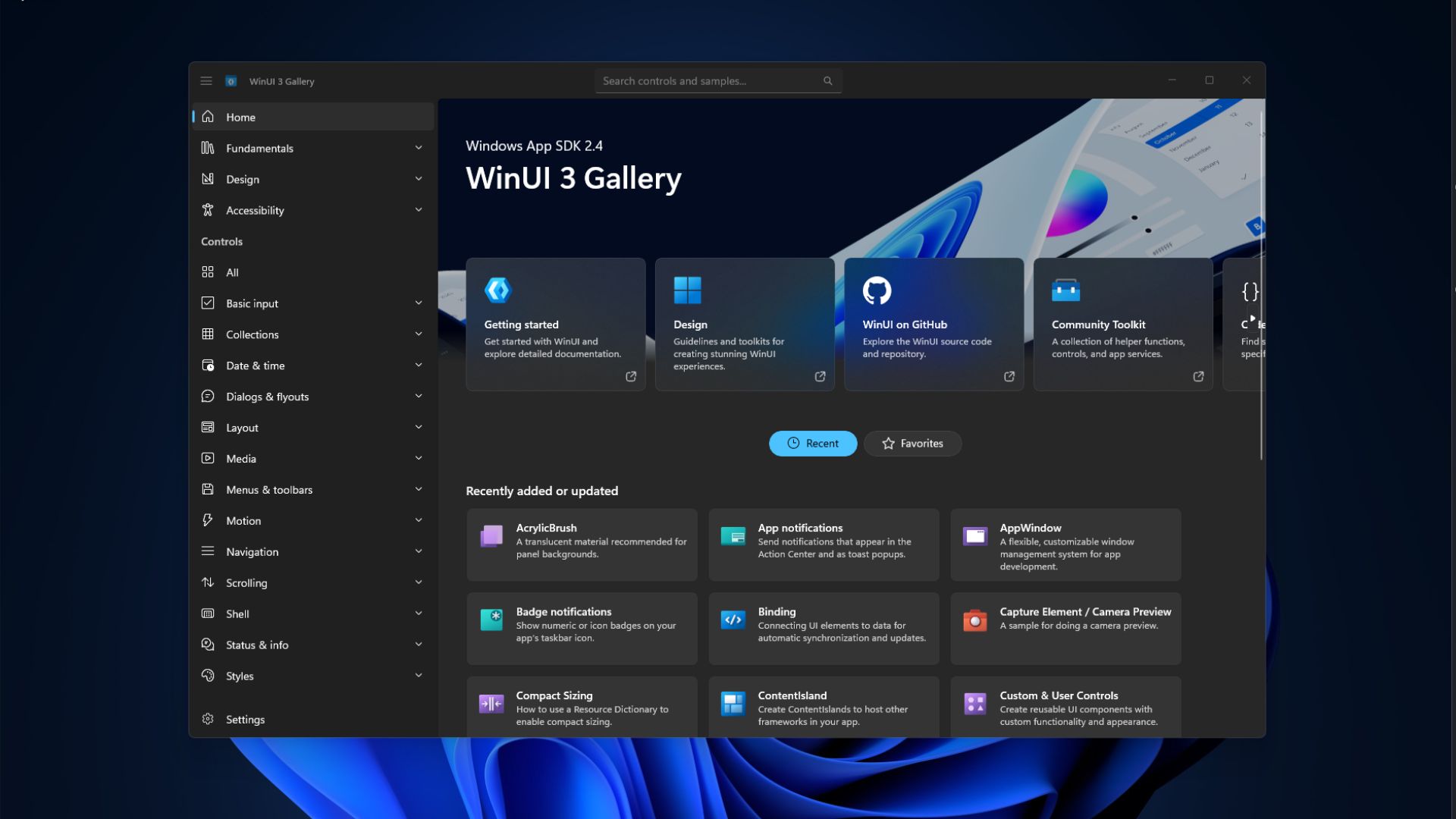
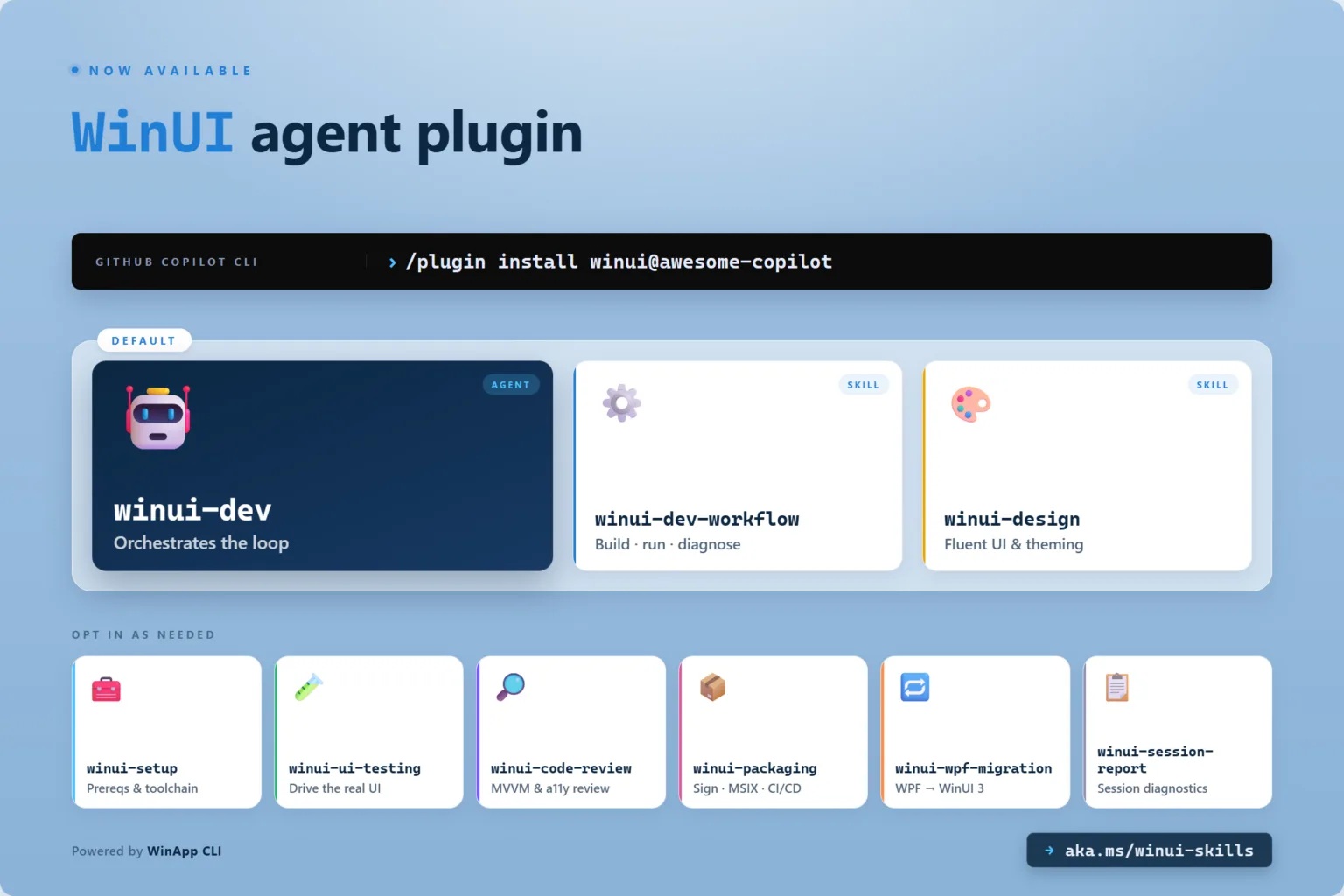
MS is now releasing legacy WinUI code, promoting AI tools that can create native applications in roughly 30 minutes, and offering a tool that prepares Windows 11 PCs for development.
MS has also acknowledged that Windows 11 uses substantial memory and has promised a better experience on PCs with 8GB of RAM. However, making Windows 11 lighter may have limited effect if applications such as Discord, Teams, and WhatsApp continue to include their own browser runtimes.
WinUI is not a complete solution. MS’s documentation states that, under Windows App SDK 2.0, WinUI applications use more RAM and launch more slowly than UWP applications. Even so, a native Discord client would not require a full Chromium runtime simply to render its Windows interface.
Discord likely remains committed to Electron because the framework allows it to maintain a shared application across Windows, macOS, and Linux. Rebuilding the client as a native Windows application would be a major undertaking. However, Discord is no longer a small startup, with Forge-based estimates published by Yahoo Finance placing its valuation at approximately $10 billion.
Discord’s migration to Rust, rendering improvements, and Electron upgrades demonstrate that the company is actively working on performance. Game Mode represents another optimization, but it still operates within the limitations of the existing architecture.
Reducing animations while users are focused on a game is a sensible way to conserve CPU and GPU resources. With memory prices rising, however, the more significant question is whether Discord should continue shipping a full Chromium runtime with its Windows application.